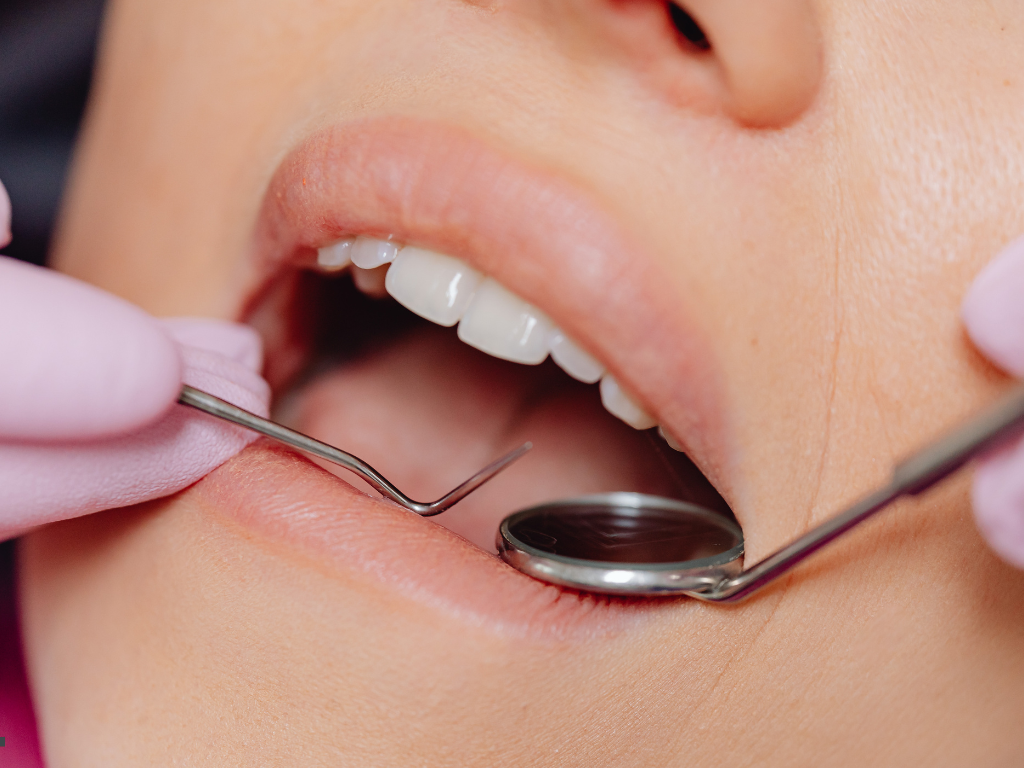
For many families in Hamilton, maintaining optimal oral health for their children has historically been a balancing act between household budgets and medical necessity. With the full implementation of the Canada Dental Care Plan (CDCP) in 2026, the landscape of pediatric dentistry in Ontario has fundamentally shifted. This article serves as a comprehensive roadmap for Hamilton parents, detailing how to leverage federal dental benefits to secure world-class oral care for their children at local clinics like Nebo Dental Centre.
Introduction
The health of a child’s smile is a window into their overall well-being. However, for years, the high cost of dental procedures meant that many Hamiltonians had to delay or forgo essential checkups. The Canada Dental Care Plan (CDCP) is a transformative federal initiative designed to ensure that financial status never dictates the quality of a child’s dental care. Aimed at families with an adjusted net income of less than $90,000, the plan provides coverage for everything from routine cleanings to complex root canals.
Navigating a new government program can feel daunting, especially when trying to coordinate with school schedules and local provider availability in the Greater Hamilton Area. Whether you are living in the Mountain, the East End, or downtown, understanding the nuances of eligibility, the application process, and the specific services covered is the first step toward a lifetime of healthy smiles. At Nebo Dental Centre, we are proud to be a participating provider, helping local families bridge the gap between “needing care” and “getting care.”
1. Confirming Your Child’s Eligibility
Before booking an appointment in Hamilton, it is essential to ensure your family meets the federal criteria. The CDCP is not a universal program like OHIP; it is a targeted benefit for those without existing private insurance. In 2026, the program is fully operational for all children under the age of 18, provided the household income thresholds are met.
- Verify that your adjusted family net income (AFNI) is below $90,000.
- Ensure the child is a Canadian resident for tax purposes.
- Confirm the child has no access to private dental insurance (through a parent’s employer or union).
- Check that you have filed your 2025 tax return, as the CRA uses this for verification.
- Distinguish between “access” and “usage”—if you have an employer plan but choose not to use it, you are still ineligible for CDCP.
- Note that children covered under provincial programs like Healthy Smiles Ontario (HSO) may still be eligible for CDCP to cover additional services.
- Review your Notice of Assessment (NOA) to confirm your exact income line.
2. Understanding the Sliding Scale of Coverage
The CDCP does not always cover 100% of the costs. In Hamilton, as in the rest of Canada, the amount the government pays is tied directly to your income. This “co-payment” system ensures that the most support goes to those with the lowest income, while still providing a significant safety net for middle-income families.
- Families earning under $70,000 receive 100% coverage of the CDCP established fees.
- Families earning between $70,000 and $79,999 receive 60% coverage (40% co-payment).
- Families earning between $80,000 and $89,999 receive 40% coverage (60% co-payment).
- Be aware of “balance billing,” where a dentist may charge the provincial fee guide rate, which can be higher than the CDCP rate.
- Ask your provider for a pre-treatment estimate to see your out-of-pocket costs.
- Understand that co-payments apply to the CDCP fee, not the total office bill.
- Keep in mind that income is reassessed annually, which may change your co-payment percentage.
3. The Application Process for Hamilton Parents
Applying for the CDCP is a streamlined process managed by Service Canada. For parents in Hamilton, the fastest way to apply is through the My Service Canada Account (MSCA). While the rollout for seniors happened first, children are now fully integrated into the system, allowing for immediate application and relatively fast processing times.
- Log in to your My Service Canada Account (MSCA) to find the application link.
- Have your Social Insurance Number (SIN) and your spouse’s SIN ready.
- Provide the child’s birth certificate or legal guardianship papers if requested.
- Applications can also be done via a dedicated toll-free telephone line for those without internet access.
- Ensure your mailing address is up to date to receive the Sun Life welcome package.
- Look for the “Benefit Start Date” in your welcome letter; you cannot claim for services before this date.
- If you need in-person help, visit the Service Canada Centre on Upper James St. or Bay St. in Hamilton.
4. Finding a Participating Provider in Hamilton
Not every dental office in Hamilton accepts the CDCP. Since participation is voluntary for dentists, it is crucial to find a clinic that is registered with Sun Life (the plan administrator). At Nebo Dental Centre, we have committed to this program because we believe in accessible community healthcare.
- Use the Sun Life “Provider Search Tool” to filter for dentists in the L8V or L8W areas.
- Call the office directly and ask, “Are you a participating provider for the CDCP?”
- Confirm if the office bills Sun Life directly or if you must pay upfront (direct billing is preferred).
- Check if the clinic has experience with pediatric dentistry and “kid-friendly” environments.
- Ask if the dentist is willing to accept the CDCP fee guide as payment in full to avoid extra costs.
- Inquire about the clinic’s policy on “balance billing” for CDCP patients.
- Look for local Hamilton reviews to see how other parents’ CDCP experiences were at that clinic.
5. Routine Diagnostic and Preventive Care
The core of the CDCP for children is prevention. The goal is to stop cavities before they start. In Hamilton, where sugar-heavy snacks and busy schedules are common, these preventive services are the most frequently used part of the plan.
- Dental Exams: Includes routine, specific, and emergency examinations.
- X-rays: Subsidized images to check for “hidden” cavities between teeth.
- Cleanings (Scaling): Professional removal of plaque and tartar to prevent gum disease.
- Fluoride Treatments: Essential for strengthening young tooth enamel against decay.
- Sealants: Protective coatings for the grooves of permanent molars (usually for ages 5–17).
- Polishing: Removing surface stains for a healthier-looking smile.
- Oral Health Instruction: Teaching your child the correct way to brush and floss.
6. Restorative Services: Fillings and Beyond
If a cavity is found during a checkup at our Hamilton office, the CDCP provides coverage for restorative work. This ensures that a small problem doesn’t turn into a painful emergency or a premature tooth loss, which can affect the alignment of permanent teeth.
- Silver Diamine Fluoride (SDF): A non-invasive way to “freeze” cavities in young children.
- Temporary Fillings: Often used in emergency situations to stabilize a tooth.
- Caries Control: Procedures to stop the spread of decay in high-risk patients.
- Stainless Steel Crowns: Often used for primary (baby) teeth that are severely decayed.
- Trauma Management: Immediate care for broken teeth due to sports or accidents.
- Pin Reinforcement: Used to help hold large fillings in place when necessary.
7. Major Procedures and Endodontics
Sometimes, a child’s dental needs go beyond a simple filling. The CDCP includes coverage for more “major” dental work, though some of these services require “pre-authorization”—meaning the dentist must send a plan to Sun Life for approval before the work begins.
- Root Canal Therapy: Treating the nerve of the tooth to save it from extraction.
- Pulpotomy: A “baby root canal” often performed on primary teeth to relieve pain.
- Standard Crowns: Coverage for permanent teeth that cannot be fixed with a filling.
- Retreatment: Fixing a previous root canal that has become re-infected.
- Posts and Cores: Internal supports used to build up a tooth before a crown is placed.
- Surgical Extractions: Removing teeth that are impacted or severely damaged.
- Space Maintainers: Essential devices to hold gaps open for adult teeth after a baby tooth is lost early.
8. Navigating Pre-authorizations
Pre-authorization is a standard part of the CDCP for complex or expensive treatments. This process ensures that both the parent and the dentist know exactly what will be covered before the chair-side work starts. In a busy Hamilton practice, managing this paperwork is a key service we provide.
- Understand that pre-authorization can take a few weeks for approval.
- Your dentist will submit digital X-rays and a treatment plan to Sun Life.
- Check your MSCA portal for the status of “pending” authorizations.
- Note that emergency pain relief rarely requires pre-authorization.
- The CDCP may request “alternative treatment” if a cheaper viable option exists.
- Approvals are usually valid for a set period (often one year).
- Ask our staff at Nebo Dental to explain the “Explanation of Benefits” (EOB) once received.
9. Handling Emergencies in Hamilton
Dental emergencies don’t wait for a convenient time. Whether it’s a hockey injury at the Dave Andreychuk Mountain Arena or a sudden midnight toothache, Hamilton parents need to know how the CDCP handles urgent care.
- Emergency exams are covered to diagnose the source of sudden pain.
- The plan covers “palliative” treatment—procedures intended only to stop pain or infection.
- Extractions of infected teeth are generally covered without a long wait.
- Antibiotics or professional “rinses” may be prescribed as part of emergency care.
- If an emergency happens after hours, ensure the clinic you visit is a CDCP participant.
- Keep your CDCP membership card (digital or physical) in your wallet at all times.
- The CDCP does not cover hospital dental surgery unless specifically billed through the plan’s medical-dental interface.
10. Annual Renewal and Maintenance
CDCP coverage is not “one and done.” To keep your child’s benefits active in Hamilton, you must participate in the annual renewal process. This ensures that the government has the most recent income data to determine your co-payment level for the upcoming year.
- Mark your calendar for the annual renewal period (typically starting in May/June).
- Ensure your taxes are filed by April 30th every year without fail.
- Watch for a renewal notice in your MSCA or via mail from Service Canada.
- Re-verify that you still do not have access to private dental insurance.
- Keep your contact information updated with the CRA and Service Canada.
- Review the “Benefit Grid” annually, as the government may add or remove covered services.
- Schedule a “recall” appointment every 6–9 months to stay ahead of the renewal cycle.
Conclusion
The Canada Dental Care Plan is more than just a financial subsidy; it is a commitment to the long-term health of Hamilton’s youth. By understanding the eligibility requirements, choosing a participating provider like Nebo Dental Centre, and staying proactive with preventive care, parents can ensure their children grow up with healthy, confident smiles. While the system has its complexities—such as co-payments and pre-authorizations—the benefit of having a dedicated dental home that understands these rules is invaluable. Let’s work together to make dental health a stress-free priority for your family.
Contact Nebo Dental Centre Today:
Name: Nebo Dental Centre
Address: 260 Nebo Road, Hamilton, ON L8W 3K5
Phone: 905.381.9802
Email: [email protected]
Website: https://nebodentalcentre.com/
Local Care, Federal Support: Empowering Hamilton Families Through the CDCP.
FAQs
-
A1: It depends on your income. If your adjusted family net income is under $70,000, the CDCP covers 100% of the established CDCP fees. However, if your dentist charges more than the CDCP fee guide (balance billing), there may still be a small cost. Families earning $70,000–$89,999 will have a co-payment of 40% to 60%.