Premise
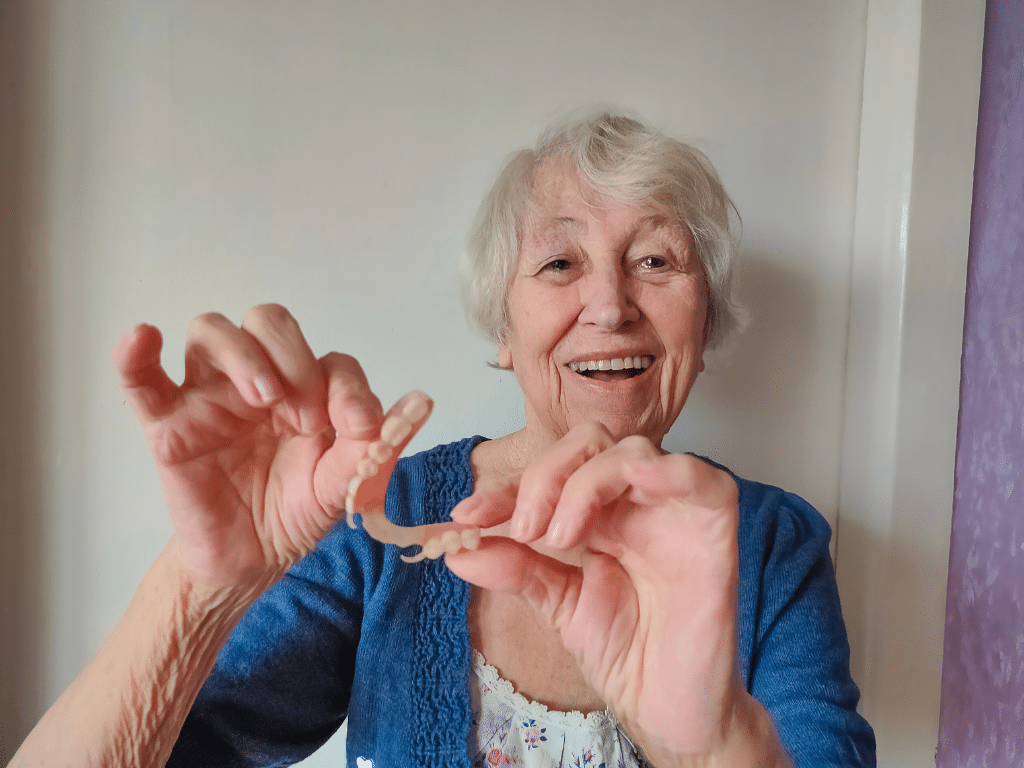
Tooth loss is more than a cosmetic concern; it is a systemic health challenge that impacts the body’s ability to process nutrients and maintain physiological balance. In Hamilton, Ontario, where a growing senior population and a diverse workforce face various barriers to oral care, modern dentures represent a life-changing medical intervention. By restoring the mechanical ability to chew and the psychological confidence to socialize, dentures serve as a bridge to better nutrition, improved mental health, and the prevention of chronic illnesses associated with poor diet and oral inflammation.
Introduction
For many residents in the “Ambitious City,” the transition to dentures is often viewed through a lens of loss. However, at Nebo Dental Centre, we view dentures as a powerful tool for reclamation—reclaiming your health, your energy, and your quality of life. In Hamilton, the link between oral health and systemic wellness is becoming increasingly clear. When a person loses several or all of their teeth, their dietary choices inevitably shift toward soft, processed, and often nutrient-poor foods. This “nutritional retreat” can lead to a cascade of health issues, including obesity, Type 2 diabetes, and cardiovascular strain.
Furthermore, the social isolation that often accompanies tooth loss can impact mental health, which in turn affects physical vitality. Fortunately, the landscape of restorative dentistry in Hamilton has evolved. With the advent of the Canadian Dental Care Plan (CDCP) and advanced prosthetic materials, high-quality dentures are more accessible than ever. This article explores how modern dentures go “beyond the gums” to revitalize the bodies and lives of Hamiltonians, ensuring that your golden years are defined by health and flavour, not restriction and discomfort.
1. Restoring the Mechanical Power of Mastication
The primary function of teeth is the mechanical breakdown of food, a process known as mastication. When teeth are missing, the ability to grind fibrous vegetables, proteins, and complex carbohydrates is severely compromised. This leads many Hamiltonians to “bolt” their food—swallowing large, unchewed pieces—which puts an immense strain on the digestive tract. Properly fitted dentures restore the vertical dimension of the jaw and provide the necessary surface area to pulverize food, which is the essential first step in the digestive process. Without this mechanical intervention, the body cannot access the vitamins and minerals locked within whole foods.
- Ensure your dentures are professionally relined annually to maintain maximum biting force.
- Practice chewing on both sides of the mouth simultaneously to stabilize the denture base.
- Start with small, bite-sized pieces of firmer foods to re-train the jaw muscles.
- Utilize denture adhesives if necessary to prevent slippage during heavy chewing tasks.
- Incorporate lean proteins like chicken or fish that require moderate grinding to maintain muscle mass.
- Gradually introduce crunchy vegetables like carrots or apples, slicing them thin to test your denture’s strength.
- Avoid excessively sticky foods like taffy that can dislodge the prosthetic and interrupt the chewing cycle.
- Schedule a “bite alignment” checkup at Nebo Dental Centre if you notice uneven wear on your denture teeth.
- Understand that lower dentures often require more “tongue control” practice than upper dentures.
- Stay hydrated; saliva acts as a lubricant that assists the dentures in the mastication process.
2. Facilitating Optimal Nutrient Absorption
Digestion does not begin in the stomach; it begins in the mouth. Saliva contains enzymes like amylase that start breaking down starches the moment you chew. When food is not chewed properly due to missing teeth, these enzymes cannot penetrate the food mass, leading to poor nutrient extraction in the small intestine. For Hamilton’s aging population, who are already at risk for malabsorption, dentures are a critical medical necessity. By allowing for a thorough mix of food and saliva, dentures ensure that the body actually receives the B12, iron, and fibre it needs to function at a high level.
- Chew each mouthful at least 15–20 times to maximize enzyme exposure.
- Incorporate “mouth-watering” healthy acidic foods like citrus (in moderation) to stimulate saliva.
- Discuss “dry mouth” (xerostomia) with your Hamilton dentist, as it can hinder the digestive benefits of dentures.
- Focus on iron-rich foods like leafy greens, which dentures allow you to grind more effectively.
- Monitor your energy levels; improved absorption from better chewing often leads to higher vitality.
- Avoid washing food down with water; let your dentures and saliva do the work first.
- Ask about implant-supported dentures to increase chewing efficiency to near-natural tooth levels.
- Keep a food diary for the first month after getting dentures to track your nutritional variety.
- Supplement your diet with smoothies only as a backup, not a primary source of nutrition.
- Ensure your dentures cover the posterior (back) regions of the gums where the heavy grinding occurs.
3. Combating “Nutritional Frailty” in Seniors
In the clinical community of Hamilton, “nutritional frailty” refers to a state where seniors lose muscle mass and bone density due to a limited diet. When chewing is painful or impossible, the diet often becomes restricted to “tea and toast.” This lack of protein and micronutrients can lead to a weakened immune system and a higher risk of falls. Dentures provide the structural support needed to reintroduce high-quality proteins and varied produce into the diet, effectively acting as a preventative measure against the physical decline often associated with aging in Ontario.
- Prioritize protein-dense soft foods like Greek yogurt, eggs, and beans while adjusting to new dentures.
- Use a slow cooker to prepare meats that are tender enough for new denture wearers to process.
- Incorporate steamed vegetables to ensure you get Vitamin K and Calcium for bone health.
- Talk to a Hamilton-based nutritionist to create a “denture-friendly” meal plan.
- Monitor weight loss; unintended shedding of pounds is often a sign of poor denture function.
- Choose whole-grain breads that are easier to chew than crusty, artisanal loaves.
- Utilize “soft-liner” denture options if you have sensitive or receding gums.
- Engage in light resistance training alongside your improved diet to build back muscle lost during toothless periods.
- Take advantage of Hamilton’s local farmers’ markets for fresh, seasonal produce that can be cooked to soft textures.
- Check your dentures for “sore spots” immediately, as pain is the number one cause of dietary restriction.
4. The Link Between Dentures and Heart Health
The “oral-systemic link” is a major focus of modern medicine. Missing teeth and diseased gums are often reservoirs for bacteria that can enter the bloodstream and contribute to arterial plaque and heart disease. By replacing missing teeth with dentures and maintaining a clean oral environment, Hamiltonians can reduce the systemic inflammation that taxes the cardiovascular system. Furthermore, the ability to eat a heart-healthy diet—rich in fibre and low in processed sugars—is only possible when the mechanical means to chew those foods are present.
- Clean your dentures and gums twice daily to eliminate bacteria that can travel to the heart.
- Remove dentures at night to allow the gum tissues to breathe and prevent fungal infections.
- Soak dentures in an antibacterial solution to kill pathogens that traditional brushing might miss.
- Attend regular Hamilton dental checkups to ensure no underlying infections are present in the jawbone.
- Focus on “heart-smart” fats like avocados and walnuts (finely chopped) that dentures can process.
- Be aware that poor oral health can exacerbate existing conditions like hypertension.
- Rinse your mouth with an alcohol-free antimicrobial wash after meals.
- Replace old, porous dentures that may be harbouring excessive bacterial colonies.
- Monitor for bleeding gums (even if you only have a few natural teeth left) and report to your dentist.
- Use a soft-bristled brush to massage the gums daily, improving circulation in the oral tissues.
5. Improving Digestive Comfort and Reducing Acid Reflux
Many patients in Hamilton complain of digestive distress, bloating, and GERD (acid reflux) without realizing the cause is in their mouth. When the stomach is forced to deal with large, unchewed chunks of food, it produces excess acid to compensate, leading to heartburn and indigestion. By restoring the ability to properly break down food into a “bolus” (a soft, round mass), dentures ease the workload of the stomach and esophagus. This can lead to a significant reduction in the need for antacids and improved overall gastrointestinal comfort.
- Eat smaller, more frequent meals to give your digestive system (and jaw) a break.
- Sit upright while eating and for 30 minutes afterward to assist the gravity-led digestive process.
- Avoid gulping air while eating, a common issue for those with loose-fitting dentures.
- Ensure your dentures have a proper “seal” to prevent air pockets during swallowing.
- Sip water throughout the meal to help the bolus move smoothly down the esophagus.
- Choose steamed or poached cooking methods that keep food moist and easy to swallow.
- Notice if your “indigestion” improves after your denture reline or replacement.
- Limit caffeine and spicy foods if you are still adjusting to the “feel” of eating with dentures.
- Ask your Hamilton dentist about the “palateless” denture options if you have a strong gag reflex.
- Practice the “tongue-to-roof” swallowing technique to stabilize the upper denture.
6. Boosting Psychological Wellness and Social Nutrition
Health is not merely the absence of disease; it is a state of social and mental well-being. Many people in Hamilton with missing teeth suffer from “social withdrawal,” avoiding family dinners, weddings, or restaurant outings because they are embarrassed to eat in public. This isolation can lead to depression and “lonely eating,” which is statistically linked to poorer nutritional choices. Dentures provide the aesthetic confidence to smile and the functional confidence to eat with others, re-integrating the individual into the social fabric of the Hamilton community.
- Practice speaking and reading aloud at home to regain confidence in your “denture voice.”
- Attend small social gatherings first to practice eating in a low-stress environment.
- Choose “denture-safe” items from Hamilton restaurant menus (e.g., pasta, fish, soft tacos).
- Carry a small container of denture adhesive in your bag for peace of mind during long outings.
- Smile frequently in the mirror to get used to your new appearance and build “muscle memory.”
- Host a dinner party with friends who understand your transition to dentures.
- Join a local Hamilton seniors’ club or community centre to stay socially active.
- Remember that modern dentures are designed to look natural, including “gum” tinting that matches your skin.
- Focus on the conversation, not just the food, to reduce anxiety during meals.
- Seek professional counselling if tooth loss has significantly impacted your self-worth.
7. Preventing Jawbone Atrophy and Facial Collapse
When teeth are lost, the jawbone no longer receives the stimulation it needs from the roots to maintain its density. Over time, the bone resorbs, leading to a “sunken” facial appearance that can make a person look much older than they are and interfere with the fit of the dentures. While traditional dentures don’t stop bone loss entirely, they do provide structural support for the lips and cheeks. For the best health outcomes, Hamilton residents are increasingly opting for “implant-retained” dentures, which stimulate the bone and prevent the facial collapse that can lead to further health complications.
- Inquire about dental implants at Nebo Dental Centre to preserve the “alveolar ridge” of your jaw.
- Do not sleep in your dentures; the constant pressure can actually accelerate bone resorption.
- Eat a diet high in Calcium and Vitamin D to support the remaining bone structure in your face.
- Note any changes in how your dentures fit; a loose fit is a sign of bone change.
- Avoid “at-home” reline kits, which can cause uneven pressure and damage the jawbone.
- Use your dentures daily to keep the facial muscles engaged and toned.
- Understand that the “vertical dimension” of your face is maintained by the height of your dentures.
- Consider a “facelift” style denture if you are concerned about significant facial sagging.
- Massage your gums and palate daily to stimulate blood flow to the underlying bone.
- Be proactive; replacing missing teeth sooner rather than later preserves more of the natural bone.
8. Enhancing Respiratory Health and Speech Clarity
Missing teeth can lead to “lisping” and difficulty pronouncing certain consonants (like ‘S’, ‘T’, and ‘F’), which can be frustrating for professionals in Hamilton’s service and corporate sectors. Furthermore, an unhealthy oral cavity can be a breeding ground for respiratory pathogens. Poorly maintained or missing teeth are linked to a higher incidence of aspiration pneumonia, especially in older adults. Dentures provide the necessary landmarks for the tongue to create clear speech and, when cleaned properly, reduce the bacterial load that could otherwise be inhaled into the lungs.
- Practice the “S” and “F” sounds by repeating words like “Sixty-Six” and “Fifty-Five.”
- If your dentures “click” when you speak, it usually means they are too long or loose; see your dentist.
- Bite down and swallow before speaking to ensure your dentures are seated correctly.
- Keep your dentures in a clean, dry container when not in use to avoid environmental bacteria.
- Clean the “soft palate” of your mouth where bacteria that cause respiratory issues often hide.
- Stay upright after eating to prevent micro-aspiration of food particles.
- Ask about “thin-profile” dentures if you find traditional acrylic too bulky for speech.
- Use a mirror to observe your mouth movements and adjust your speech patterns.
- Be patient; the brain takes about 4 to 8 weeks to fully adapt to the “new” speech landmarks.
- Consult your Hamilton dentist if you experience persistent hoarseness or a change in your voice.
9. Stabilizing Blood Sugar and Managing Diabetes
There is a bi-directional relationship between diabetes and oral health. Uncontrolled blood sugar can lead to gum infections, and gum infections make it harder to control blood sugar. For diabetic residents in Hamilton, dentures are a tool for metabolic stability. By allowing for the consumption of high-fibre vegetables and proteins—and reducing the reliance on soft, sugary, “easy-to-chew” carbohydrates—dentures help stabilize glucose levels. A healthy mouth is often the secret to a well-managed diabetic profile.
- Check your gums daily for redness or sores, as diabetics heal more slowly.
- Ensure your dentures are fitted perfectly to avoid “friction sores” that can become infected.
- Opt for whole-grain “soft” options like quinoa or oatmeal rather than white bread.
- Maintain a strict cleaning schedule to prevent “thrush” (yeast infection), common in diabetic mouths.
- Inform your Hamilton dentist of your A1C levels during your checkup.
- Drink plenty of water to combat the “dry mouth” often caused by diabetic medications.
- Avoid sugary “denture soaks”; use professional-grade, sugar-free cleansers.
- Eat protein at every meal to help stabilize blood sugar and support gum tissue repair.
- Schedule more frequent cleanings (every 3–4 months) if your diabetes is difficult to manage.
- Coordinate care between your family doctor in Hamilton and your dental team.
10. Economic Benefits of Preventative Restorative Care
While the initial cost of dentures may seem high, the long-term economic and health savings for Hamilton families are significant. Leaving missing teeth untreated leads to shifting of remaining teeth, jaw joint issues (TMJ), and the systemic health problems mentioned above—all of which are more expensive to treat than a set of quality dentures. Furthermore, with the expansion of the Canadian Dental Care Plan (CDCP), many Hamiltonians now have financial support to access these services, preventing the “poverty-illness” cycle that often begins with neglected oral health.
- View dentures as a long-term investment in your “Total Health” budget.
- Apply for the CDCP if you are an uninsured Canadian resident with an adjusted family net income under $90,000.
- Compare the cost of a high-quality denture now versus the cost of chronic disease management later.
- Inquire about financing plans offered by Hamilton dental clinics to spread out the cost.
- Keep your receipts; dental expenses can often be used as a medical tax credit in Ontario.
- Maintain your dentures well to avoid the cost of premature replacements.
- Use a protective case for your dentures to prevent expensive accidental breakages.
- Attend regular “adjustment” appointments to prevent minor issues from becoming major repairs.
- Understand that a healthy smile can improve employability and professional presence in Hamilton.
- Ask about “partial dentures” if you still have healthy teeth, as this is a cost-effective way to preserve them.
Conclusion
In the heart of Hamilton, where the community thrives on resilience and hard work, your health should never be sidelined by tooth loss. Dentures are far more than a “replacement for teeth”—they are a gateway to systemic wellness, nutritional stability, and social joy. From the way your stomach processes a meal to the way your heart pumps and your brain engages with friends, the impact of a functional smile is profound. At Nebo Dental Centre, we are dedicated to helping you navigate this journey, ensuring that your dentures provide a perfect fit for both your mouth and your lifestyle. Don’t let missing teeth dictate your diet or your happiness. Step into a healthier future by prioritizing restorative care today.
Contact Information
Ready to reclaim your health and enjoy your favourite Hamilton foods again? Contact the experts at Nebo Dental Centre for a consultation:
Name: Nebo Dental Centre
Address: 260 Nebo Road, Hamilton, ON L8W 3K5
Phone: 905.381.9802
Email: [email protected]
Website: https://nebodentalcentre.com/
Nebo Dental Centre: Revitalizing Hamilton’s Health, One Smile at a Time.
FAQs
-
A1: Typically, it takes about 4 to 8 weeks to feel fully comfortable eating a variety of foods. Start with soft foods and gradually introduce firmer textures as your mouth adjusts.