Premise:
Routine family dental care extends far beyond aesthetic upkeep and cavity prevention. In modern dentistry, a comprehensive checkup serves as an essential, front-line medical screening tool that can identify life-threatening conditions like oral cancer long before physical symptoms prompt a visit to a medical practitioner. By anchoring this vital screening within the reliable cadence of family dental visits in Hamilton, patients optimize their preventative care matrix, unlocking early detection rates that directly transform survival prognoses.
Introduction
When Hamilton families schedule their regular appointments at Nebo Dental Centre, the conversation naturally gravitates towards the familiar elements of oral health maintenance: modern teeth cleaning, checking for structural cavities, evaluating pediatric development, or perhaps considering a corrective journey like Invisalign or dental implants. However, beneath the standard cleaning routine lies one of the most clinically significant interventions performed by dental healthcare professionals: the routine oral cancer screening. Oral cancer—which includes malignancies of the lips, tongue, cheeks, floor of the mouth, hard and soft palate, and the pharynx—is an aggressive disease that quietly claims thousands of Canadian lives annually. The primary issue complicating this disease is its asymptomatic nature during its early development; it can grow undetected, mimicking minor oral irritations or remaining completely hidden from the untrained eye.
In Hamilton, a bustling and diverse community spanning from the vibrant core down below to the expanding residential neighborhoods of the Hamilton Mountain, public health awareness surrounding cardiovascular conditions or diabetes remains high, yet oral cancer often remains dangerously misunderstood or entirely overlooked. Integrating rigorous, advanced oral screening methodologies directly into the family dental care framework changes this equation entirely. This clinical integration transforms the dental professional from an architect of beautiful smiles into a critical front-line diagnostic guardian. Because consistency remains the absolute foundation of family dentistry, the cyclical nature of biannual checkups ensures that adult and senior family members are screened with a frequency that perfectly aligns with the swift developmental timelines of pre-malignant abnormalities. The following detailed exploration highlights ten essential reasons why oral cancer screenings represent a foundational pillar of modern, comprehensive family dental care in Hamilton.
Ten Critical Insights into Oral Cancer Screenings
1. The Power of Early Asymptomatic Detection
In its foundational phases, oral cancer is an intensely quiet and deceptive disease, rarely producing significant pain, bleeding, or distinct discomfort that would cause a Hamilton resident to seek urgent medical attention. Early malignant transformations or pre-cancerous lesions often appear as innocuous white or red patches, minor texture alterations, or small, painless sores that look almost identical to a standard canker sore or a brief burn from a hot beverage. By the time a patient actually experiences persistent pain, difficulty swallowing, or a palpable, firm lump within their oral tissues, the malignancy has frequently advanced into its later, more threatening structural stages. Routine oral cancer screenings break this dangerous cycle by establishing an expert baseline during every single cleaning and maintenance checkup. Using specialized tactile palpation and visual magnification, your dental provider is trained to look past the surface, identifying subtle cellular anomalies before they progress. This preventative scrutiny flips the timeline, allowing clinical interventions to begin long before the disease compromises the patient’s wider physical well-being.
2. Elevating Five-Year Survival Statistics
The statistical reality of an oral cancer prognosis is deeply linked to the exact stage at which the disease is identified and treated. Clinical data from the Canadian Cancer Society emphasizes that when oral cancer is detected early—while it remains entirely localized to its point of origin—the five-year survival rate can reach 80 percent or higher. Conversely, if the lesion is left unexamined and allowed to metastasize into regional lymph nodes or the deeper tissues of the neck, that survival rate falls drastically to around 30 to 40 percent. For the local community on the Hamilton Mountain, scheduling consistent family dental appointments directly impacts these statistics at a deeply personal level. Incorporating a routine oral cancer screening into standard checkups ensures that abnormalities are caught when they are at their smallest and most manageable. This simple, non-invasive assessment, which takes only a few minutes during a cleaning appointment, significantly tips the scales in the patient’s favor, turning a potentially catastrophic diagnosis into a highly treatable, manageable health condition.
3. Mapping the Escalating Risk Factors Across Hamilton Demographics
While oral cancer can impact anyone regardless of age or history, specific lifestyle and demographic factors dramatically elevate a person’s individual risk profile within a diverse city like Hamilton. Historically, heavy tobacco use—including cigarettes, cigars, pipes, and chewing tobacco—combined with frequent alcohol consumption stood as the dominant drivers behind oral malignancies. While these habits remain major risk factors, modern epidemiological trends show a notable rise in cases linked to the Human Papillomavirus (HPV), particularly among younger, non-smoking demographics. Additionally, chronic sun exposure poses a significant threat for lip cancers, an important note for Hamilton’s extensive outdoor workforce, landscaping crews, and local industrial workers. By maintaining a unified home for family dental care, our clinical team can carefully track these evolving risk factors across generations. Whether evaluating a grandfather with a long history of smoking or screening a young adult exposed to modern lifestyle risks, our customized clinical approach ensures that high-risk individuals receive targeted, highly vigilant observation during every checkup.
4. Comprehensive Evaluation of the Entire Oral Architecture
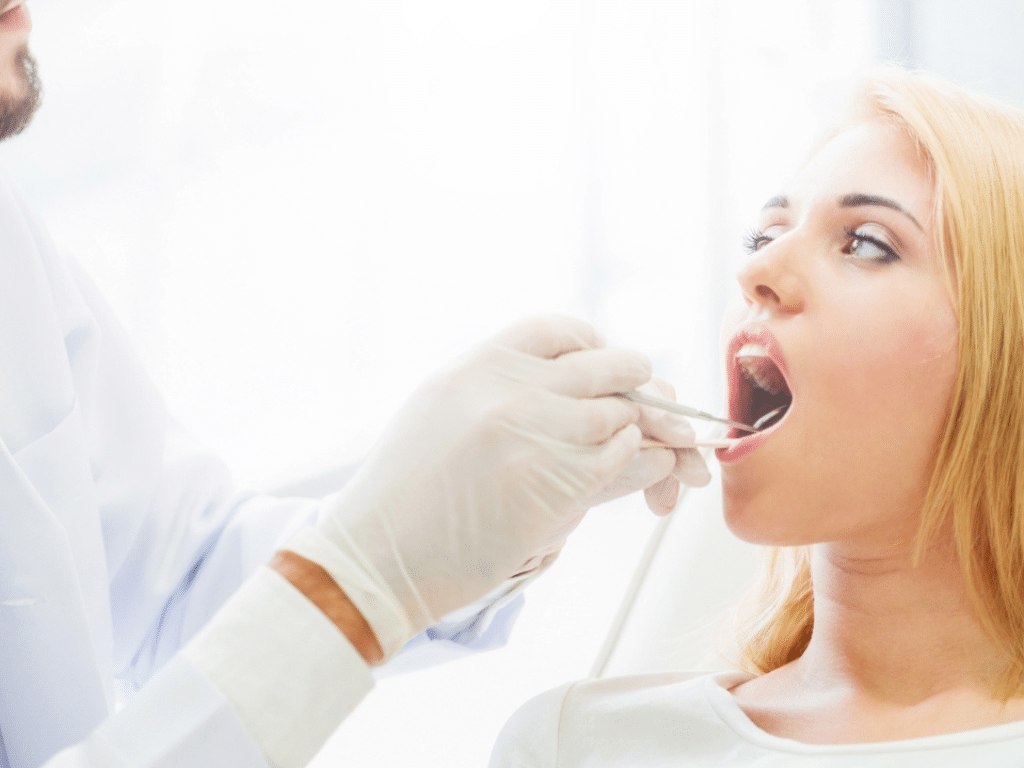
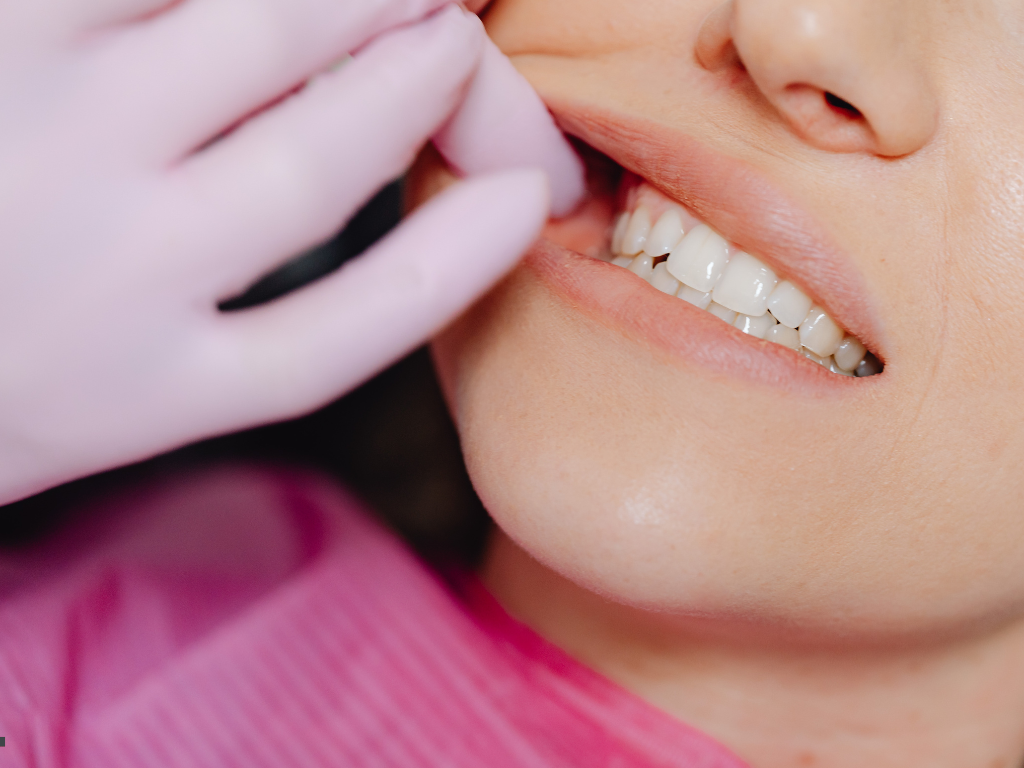
A common misconception among patients is that an oral cancer screening only involves a brief look at the tongue or teeth. In reality, a comprehensive screening at Nebo Dental Centre is a meticulous, highly structured evaluation of the entire oral and maxillofacial ecosystem. The dentist carefully examines the vermilion border of the lips, the interior buccal mucosa (the lining of the cheeks), the front and back of the gums, the hard palate at the roof of the mouth, the soft palate, and the tonsillar pillars. Special, thorough attention is dedicated to the lateral borders and the delicate underside of the tongue, which are among the most statistically common areas for oral malignancies to take root. Furthermore, the clinical examination extends beyond the mouth itself; our practitioners perform careful manual palpation of the jawline, the submandibular salivary gland regions, and the lymph node chains winding down the neck to spot any hidden, firm swelling or structural asymmetry. This exhaustive anatomical check ensuring nothing is left unexamined, providing families with complete peace of mind.
5. A Safe, Quick, and Entirely Painless Patient Experience
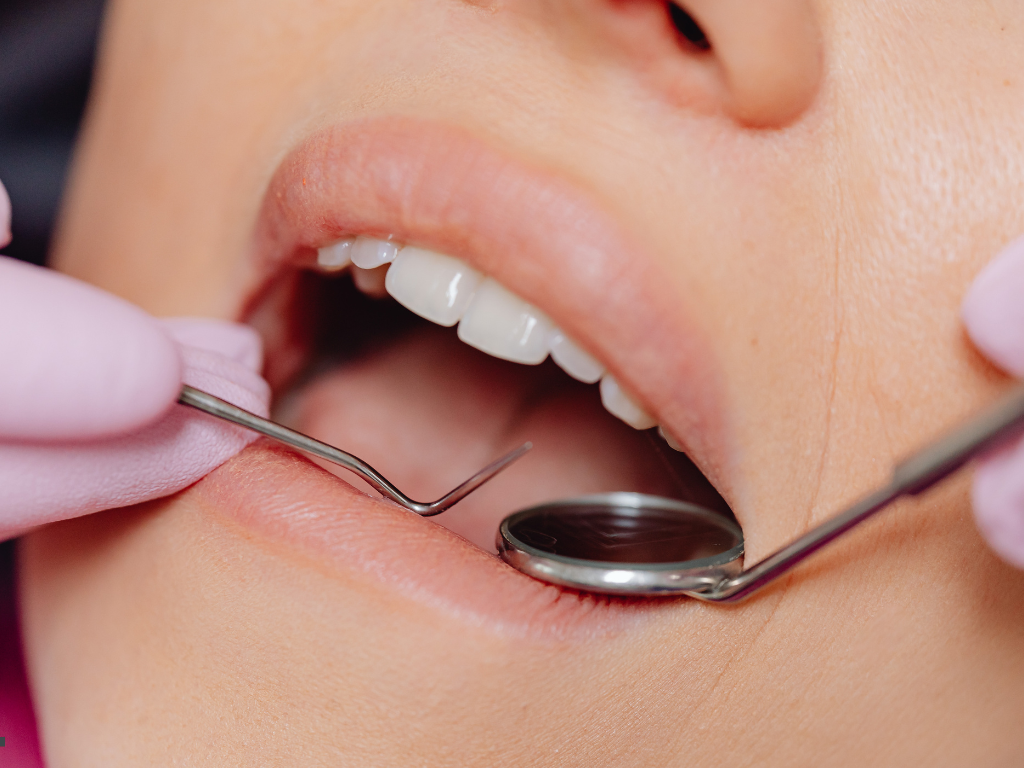
For many individuals, dental anxiety can stem from the fear of pain or lengthy, uncomfortable diagnostic procedures. Fortunately, an oral cancer screening is entirely non-invasive, completely painless, and adds only a few minutes to a standard routine checkup. There are no needles, no sharp instruments, and no uncomfortable scrapings required for a primary screening. The process consists of a gentle, smooth visual review using specialized dental mirrors, alongside careful, external palpation of the neck and facial muscles by the dentist’s gloved hands. Most patients do not even realize the screening is actively occurring, as a skilled practitioner naturally incorporates it into the standard charting and examination phase of the visit. This ease of delivery makes it an ideal, stress-free component of family dental care, allowing children, anxious adults, and seniors alike to complete their essential health screenings without experiencing any physical distress or added clinical worry.
6. Differentiating Everyday Irritations from Serious Pathologies
The human mouth is an incredibly active, highly sensitive environment that frequently experiences minor traumas. From accidentally biting the inside of your cheek or scraping your palate on a sharp piece of food, to dealing with routine aphthous ulcers or irritation caused by sharp, misaligned wisdom teeth, minor oral lesions are incredibly common. For an untrained individual, it is practically impossible to determine whether a persistent red or white spot is simply a slow-healing minor burn or the early warning sign of a serious, deep-seated pathology. Dental professionals spend years studying oral pathology to navigate these exact scenarios. During a family checkup, your dentist evaluates the structural characteristics of a lesion—such as its border definition, texture, firmness, and vascularity. If an irritation is present, the clinician can track it over a strict two-week window; an everyday irritation will heal, whereas a pre-malignant lesion will persist. This careful monitoring helps prevent unnecessary panic while ensuring true anomalies are caught immediately.
7. Mitigating the Long-Term Financial and Emotional Burden of Disease
The consequences of delaying an oral cancer diagnosis extend far beyond the immediate medical risks, bringing an immense emotional and financial burden to the patient and their family. Treating advanced oral cancer often requires highly invasive interventions, including extensive surgical resections of the jaw or tongue, reconstructive plastic surgery, intense radiation therapy, and systemic chemotherapy. These procedures can profoundly alter a person’s fundamental ability to speak, swallow, eat, and express themselves visually, requiring months of intensive rehabilitation and time away from work. By prioritizing early screening during regular family dental checkups on Hamilton Mountain, patients can avoid these aggressive, late-stage treatments entirely. Early-stage interventions are vastly less invasive, preserving your natural facial structure, speaking ability, and overall quality of life while significantly lowering the long-term healthcare and emotional costs for your entire family.
8. Seamless, Coordinated Specialist Referrals When It Matters Most
If a routine screening uncovers a persistent or highly suspicious lesion, being established within a trusted family dental clinic ensures a fast, well-coordinated path forward. Rather than navigating a complex medical system alone, patients benefit from immediate clinical collaboration. A professional dental practice maintains strong, active relationships with Hamilton’s premier oral pathologists, maxillofacial surgeons, and specialized oncology networks, such as the Juravinski Cancer Centre right here in Hamilton. Your dental team can seamlessly handle the referral process, coordinating the swift transfer of digital diagnostic records, clinical photographs, and biopsy requests. This rapid communication reduces waiting times from months to days, ensuring that if advanced diagnostics or biopsies are required, the patient steps into specialized care immediately without falling through the cracks of a busy healthcare system.
9. Establishing a Lifelong Generation-Wide Culture of Prevention
When parents bring their children, teens, and seniors to a single, dedicated family dental practice, they are doing much more than just crossing items off a seasonal to-do list; they are actively building a lifelong, multi-generational culture of true preventative health. Children who watch their parents comfortably undergo complete oral examinations naturally learn to view comprehensive health diagnostics as a standard, stress-free part of life. As these children grow into adolescents and adults, they maintain these vital habits, ensuring they stay protected against modern risk factors like HPV-linked oral conditions. This shared family approach creates a protective shield of health awareness across generations. It ensures that grandparents receive the careful, dedicated screening required for aging tissues, while younger generations develop a proactive mindset that prioritizes long-term systemic wellness.
Conclusion
An oral cancer screening is far more than a brief step at the end of a standard dental visit; it is a critical, life-saving screening tool that highlights the true value of regular family dental care. Given the aggressive, quiet nature of oral malignancies, waiting for clear symptoms to appear before booking an appointment is a risk no family should take. For residents throughout the Greater Hamilton Area, partnering with a dedicated dental clinic on the Hamilton Mountain provides a simple, effective way to integrate this essential safety net into your family’s regular routine. By ensuring every adult and senior member of your household is screened twice a year, you are taking a major step toward long-term peace of mind and protecting your family’s health for years to come.
Prioritize Your Family’s Complete Oral Health at Nebo Dental Centre
Don’t delay your next preventative screening. Our compassionate, modern dental team is ready to welcome your entire family and provide the gentle, thorough care you deserve.
Name: Nebo Dental Centre
Address: 260 Nebo Road, Hamilton, ON L8W 3K5
Phone: 905.381.9802
Email: [email protected]
Website: https://nebodentalcentre.com/
Conveniently located at 260 Nebo Road, Hamilton, ON L8W 3K5 — We proudly accept the Canada Dental Care Plan (CDCP) and offer direct billing.
Guardians of Your Health: Navigating Lifesaving Screenings in the Heart of Hamilton Mountain
FAQs
-
A1: Not at all. An oral cancer screening is entirely non-invasive, completely painless, and takes only a few minutes during your routine cleaning and checkup. There are no needles or uncomfortable scraping sensations; it simply involves a gentle visual and tactile examination of your mouth, jaw, and neck tissues by our dental professionals. You can resume all normal activities immediately afterward.