Premise
The human mouth is not an isolated ecosystem; it is the primary gateway to the rest of the body. Modern clinical research reveals a profound, bi-directional relationship between oral health and systemic wellness, known as the oral-systemic link. Chronic oral infections, such as periodontal (gum) disease, release harmful bacteria and inflammatory biomarkers directly into the bloodstream, significantly increasing the risk of cardiovascular disease, strokes, diabetes complications, and respiratory illnesses. Prioritising exceptional dental hygiene in Hamilton is no longer just about maintaining a bright, beautiful smile—it is a critical, proactive strategy for safeguarding your heart, enhancing your immune system, and protecting your entire body from long-term systemic decline.
Introduction
For decades, traditional views of healthcare separated dentistry from general medicine, treating the mouth as if it existed independently of the rest of the physical body. Patients booked dental checkups primarily to polish their pearly whites, fill painful cavities, or freshen their breath. However, groundbreaking medical and dental research has completely dismantled this old paradigm. Today, the global scientific community recognizes that your oral cavity provides a transparent window into your overall internal health. What happens in your gums does not stay in your gums. The delicate tissues of the mouth are highly vascularized, meaning they are packed with dense networks of blood vessels. When poor dental hygiene allows pathogenic bacteria to accumulate along the gumline, it initiates a destructive cascade of chronic inflammation.
For residents of Hamilton, understanding this deep connection is an essential step toward comprehensive wellness. The city’s diverse population faces the same modern health challenges seen across Canada, including rising rates of heart disease, metabolic disorders, and age-related cognitive decline. By shifting our perspective to view oral health care as an essential component of preventative medicine, we can unlock powerful health benefits that extend far beyond aesthetics. A routine cleaning at a Hamilton dental centre is no longer merely a cosmetic maintenance appointment; it is a vital, frontline defence mechanism that reduces systemic inflammation, protects your arteries, and ensures your body’s vital organs remain insulated from dangerous oral pathogens.
10 Critical Ways Dental Hygiene Protects Your Whole Body
1. The Oral-Systemic Link: The Bloodstream Highway
The human mouth houses billions of microscopic organisms, forming a complex microbiome. When dental hygiene practices like brushing and flossing are neglected, harmful bacterial strains proliferate rapidly, forming a sticky, resilient biofilm known as plaque. Over time, this plaque hardens into tartar, which causes the gums to pull away from the teeth, creating deep, ulcerated periodontal pockets. These bleeding pockets serve as an open door directly into your circulatory system. Every time you chew food, brush aggressively, or experience minor gum trauma, millions of oral bacteria slip through these microscopic wounds and enter the bloodstream. This process, known as transient bacteremia, allows dangerous pathogens to travel throughout your entire vascular highway, settling in distant organs and triggering widespread cellular damage far from the oral cavity.
2. Cardiovascular Disease and Arterial Plaque Accumulation
The correlation between advanced gum disease and cardiovascular illness is one of the most thoroughly documented aspects of the oral-systemic link. Once oral bacteria like Porphyromonas gingivalis enter your bloodstream, they attach themselves directly to the smooth inner linings of the coronary arteries. The presence of these foreign invaders provokes an immediate local immune response, causing the arterial walls to become highly inflamed and unstable. This chronic inflammation accelerates atherosclerosis, which is the narrowing and hardening of the arteries due to the buildup of fatty cholesterol plaques. If these plaques rupture because of ongoing inflammatory stress, they can instantly form blood clots that block blood flow to the heart, culminating in a life-threatening heart attack that could have been mitigated through strict preventative dental hygiene.
3. Mitigating the Risk of Ischemic Strokes
Just as oral bacteria can compromise the blood vessels feeding the heart, they pose an equally severe threat to the complex vascular structures supplying the brain. Ischemic strokes occur when a blood clot restricts the flow of oxygen-rich blood to vital brain tissues, often stemming from the carotid arteries in the neck. When chronic periodontal disease goes untreated in patients, the body remains in a continuous state of high alert, producing elevated levels of systemic inflammatory proteins such as C-reactive protein (CRP). High CRP levels are a well-established medical indicator for an increased risk of stroke. By visiting a qualified dental professional in Hamilton for regular scaling and root planing, you actively lower these systemic inflammatory markers, significantly reducing the likelihood of arterial clot formation and protecting your brain from devastating neurological damage.
4. The Bi-Directional Struggle of Diabetes Management
The relationship between diabetes mellitus and periodontal disease is a dangerous, complex two-way street that requires careful clinical attention. Diabetics are naturally more susceptible to developing severe gum infections due to their compromised immune responses and impaired healing capabilities. Conversely, advanced gum disease actively sabotages a diabetic patient’s ability to control their blood sugar levels. The chronic inflammation originating in the mouth induces a state of systemic insulin resistance, making it exceedingly difficult for cells to absorb glucose from the bloodstream efficiently. This creates a volatile cycle where high blood sugar worsens gum disease, and infected gums drive blood sugar levels to dangerous heights. Exceptional oral care acts as a circuit breaker in this loop, helping Hamiltonians stabilize their metabolic health and manage their HbA1c levels far more predictably.
5. Preventing Respiratory Infections and Bacterial Aspiration
Your respiratory tract sits in direct physical proximity to your oral cavity, making it highly vulnerable to the structural health of your mouth. Individuals suffering from poor oral hygiene naturally harbour significantly higher concentrations of respiratory pathogens within their dental plaque. During sleep or even routine breathing, microscopic droplets of saliva containing these aggressive bacteria can easily be aspirated, or inhaled, deep into the lower respiratory tract and lungs. Once inside the lung tissue, these oral pathogens can cause severe, acute bacterial pneumonia or severely exacerbate chronic obstructive pulmonary disease (COPD). This risk is particularly pronounced during the harsh, fluctuating winter seasons in Hamilton, making routine professional dental cleanings an essential preventative strategy for maintaining optimal lung function and avoiding emergency hospital visits.
6. Rheumatoid Arthritis and Joint Inflammation
Rheumatoid arthritis is a painful, debilitating autoimmune disorder characterized by chronic inflammation of the joints, leading to progressive bone erosion and severe deformity. Fascinatingly, recent medical science has identified a striking biochemical mirror between the inflammatory pathways of rheumatoid arthritis and those of chronic periodontal disease. The specific oral bacterium Porphyromonas gingivalis produces a unique enzyme that alters proteins in the body, triggering the immune system to mistakenly attack its own healthy joint tissues. Patients with severe, unmanaged gum disease frequently report heightened joint pain, increased stiffness, and faster disease progression. Implementing a rigorous daily flossing routine and seeking targeted dental therapy helps damp down this destructive autoimmune cross-reactivity, offering substantial relief to arthritis sufferers.
7. Protecting Pregnancy Outcomes and Maternal Health
Expectant mothers experience dramatic hormonal fluctuations that can cause the blood vessels in their gums to become highly sensitive, reactive, and prone to a condition known as pregnancy gingivitis. If this localized inflammation transitions into full-scale periodontal disease, it poses a direct, measurable risk to the developing fetus. The pathogenic bacteria residing in the mother’s infected gums can travel through the bloodstream, breach the placental barrier, and enter the amniotic fluid. This intrauterine bacterial presence triggers an elevated production of prostaglandins—inflammatory compounds that can artificially stimulate uterine contractions. Consequently, pregnant individuals with untreated gum disease face a statistically higher risk of delivering pre-term, low-birth-weight babies, emphasizing the absolute necessity of safe, regular prenatal dental hygiene care.
8. Cognitive Decline, Neuroinflammation, and Alzheimer’s Disease
One of the most frontier areas of medical research is the undeniable link between poor oral hygiene and neurodegenerative disorders like Alzheimer’s disease. Autopsies performed on deceased Alzheimer’s patients have frequently revealed the shocking presence of oral bacteria directly inside the affected brain tissues. Researchers hypothesize that these pathogens slowly migrate from the mouth to the brain over several decades, either via the bloodstream or by travelling along the cranial nerves. Once inside the central nervous system, these bacteria release toxic proteins that promote the formation of amyloid plaques and neurofibrillary tangles, which are the primary hallmarks of Alzheimer’s pathology. Prioritising your oral hygiene throughout adulthood serves as a crucial defensive shield for your long-term cognitive reserve and mental longevity.
9. Relieving Immune System Fatigue and Chronic Stress
Your immune system possesses a finite amount of resources and cellular energy to defend your body against daily environmental threats and pathogens. When you harbor a chronic, low-grade infection like periodontal disease in your mouth, your immune system is forced to constantly expend valuable energy fighting a losing battle against localized oral biofilm. This persistent, unremitting activation leads to profound immune system fatigue, leaving your body significantly less capable of defending itself against other acute challenges, such as seasonal flus, viral infections, or cellular mutations. By eradicating oral infections through thorough preventative dental hygiene, you effectively lift a heavy, continuous metabolic burden off your immune system, allowing it to redirect its full defensive capabilities toward keeping the rest of your body resilient and vibrant.
10. The Power of Proactive Dental Prevention in Hamilton
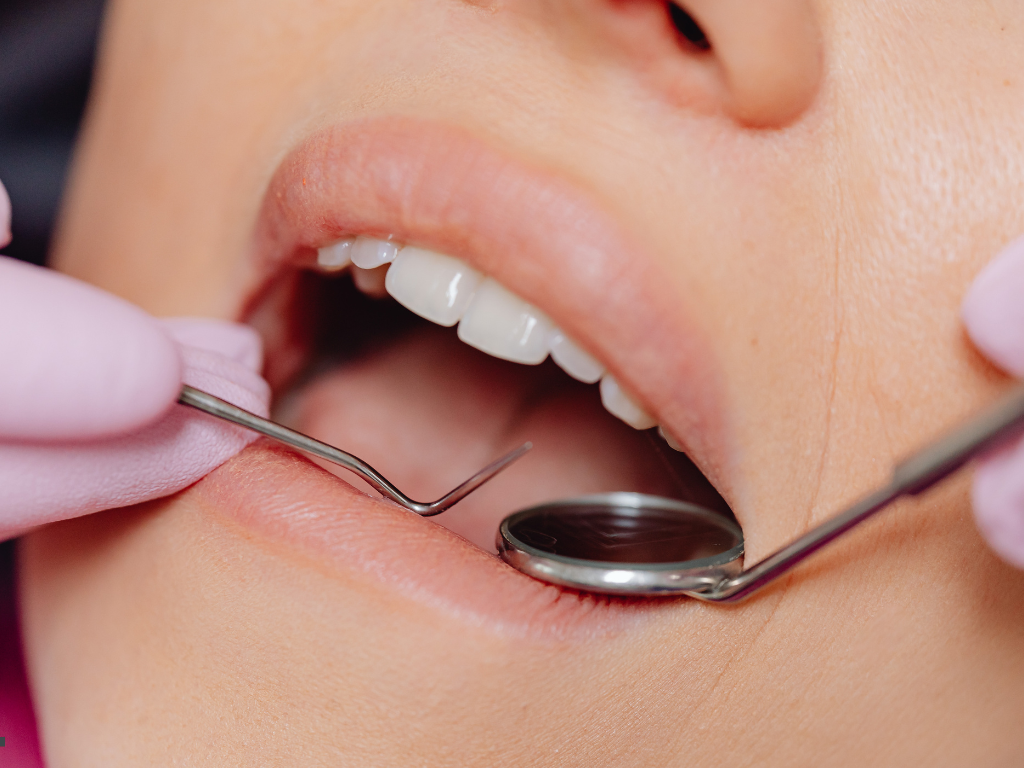
Achieving optimal systemic health through the avenue of oral hygiene requires a collaborative, ongoing partnership with a trusted, modern dental clinic. Relying solely on casual at-home brushing is simply insufficient; microscopic tartar accumulation beneath the gumline can only be safely and effectively removed using specialized clinical instrumentation. A comprehensive professional dental cleaning involves meticulous scaling, root planing, and detailed evaluations of your gum pocket depths to catch early signs of inflammation before they can transition into systemic health complications. By committing to regular, biannual visits to a dedicated Hamilton dental hygiene provider, you are investing in a highly personalized, deeply preventative healthcare strategy that safeguards your cardiovascular system, enhances your metabolic profile, and ensures a healthier future.
Conclusion
The overwhelming wealth of modern medical evidence makes one fact absolutely undeniable: a healthy mouth is the cornerstone of a healthy body. We can no longer afford to view dental care as an optional, isolated cosmetic luxury. From protecting the delicate inner walls of your coronary arteries from dangerous atherosclerotic plaque buildup to assisting your body in the critical, daily regulation of blood glucose levels, the benefits of practicing impeccable dental hygiene reverberate through every major organ system. By investing time, energy, and care into your oral hygiene routine—both through meticulous daily habits at home and regular professional cleanings at a reputable clinic—you are actively extending your healthspan and protecting your body from chronic disease. Take control of your holistic wellness today; your heart, your brain, and your loved ones will thank you for it.
Name: Nebo Dental Centre
Address: 260 Nebo Road, Hamilton, ON L8W 3K5
Phone: 905.381.9802
Email: [email protected]
Website: https://nebodentalcentre.com/
Conveniently located at 260 Nebo Road, Hamilton, ON L8W 3K5 — We proudly accept the Canada Dental Care Plan (CDCP) and offer direct billing.
Your health is interconnected—protect your heart, strengthen your body, and elevate your wellness with advanced oral care.
FAQs
-
A1: When dental hygiene is neglected, the gums become inflamed and develop bleeding microscopic ulcers within the periodontal pockets. When you chew, brush, or floss, these open sores allow oral bacteria to slip directly into your bloodstream. Once in the circulatory system, these bacteria can travel to the heart, attach to the walls of your blood vessels, and contribute to inflammatory arterial blockages.