Premise
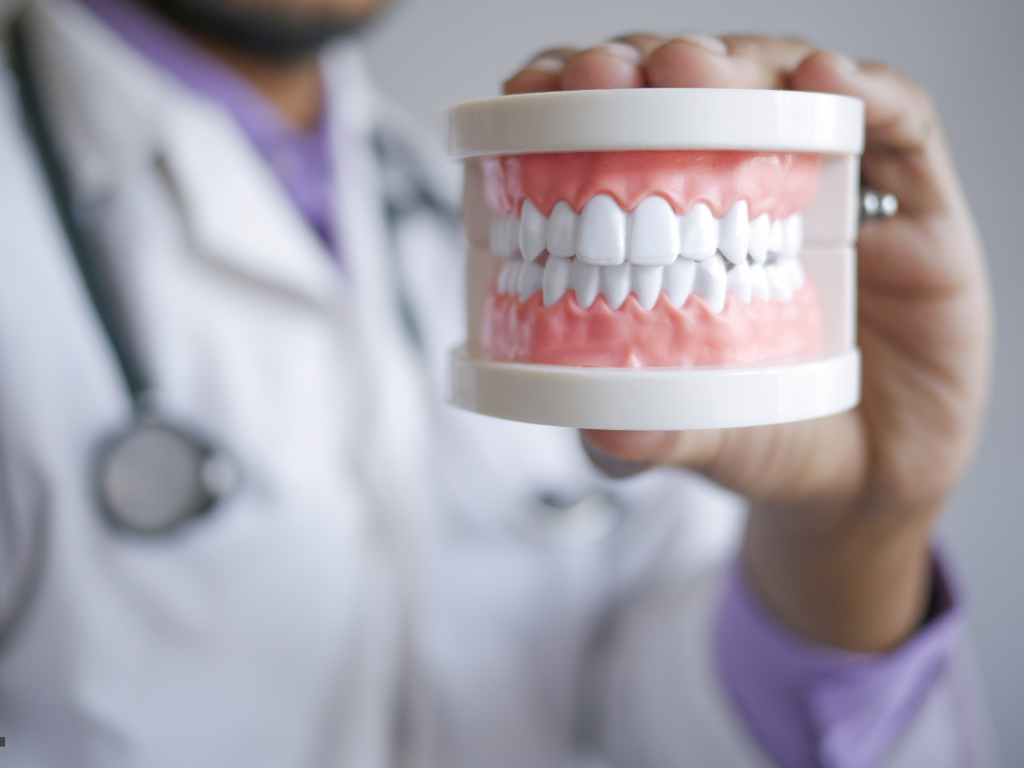
Edentulism and significant tooth loss introduce major challenges to overall nutrition, speech articulation, and self-esteem. Historically, the high upfront financial cost of complete and partial removable prosthetics has forced many low-to-middle-income Canadian residents to delay vital tooth replacement. Through the introduction of the Canadian Dental Care Plan (CDCP), eligible Hamilton residents can now access comprehensive denture services with substantial public subsidization. This guide outlines how patients can leverage the CDCP at Nebo Dental Centre to restore chewing function, enhance facial structure, and navigate coverage guidelines with complete confidence.
Introduction
Chewing your favourite foods comfortably, speaking with clear articulation, and smiling freely without hesitating are essential elements of daily wellness. Unfortunately, significant tooth loss affects thousands of adults across Hamilton, particularly seniors and individuals without private employer dental benefits. The cumulative expense of extractions, clinical impressions, laboratory technician fees, and fitting adjustments has historically caused many residents to put off getting the dentures they urgently need.
The arrival of the Canadian Dental Care Plan (CDCP) marks a positive change in Canada’s public healthcare landscape. Administered by Health Canada and Sun Life, the CDCP helps lower financial barriers for uninsured Canadian residents with an adjusted family net income under $90,000. Under this initiative, standard removable prosthetics—including complete upper and lower dentures as well as partial acrylic dentures—are covered dental services.
Navigating government programs, verifying provincial provider participation, and understanding potential out-of-pocket co-payments can feel overwhelming. Choosing a participating Hamilton dental clinic that offers clear clinical communication and handles electronic CDCP claims makes the process straightforward.
10 Critical Factors for Accessing CDCP Dentures in Hamilton
Understanding CDCP Eligibility and Enrolment Protocols
Qualifying for denture services under the Canadian Dental Care Plan requires meeting specific federal criteria before booking clinical treatment. Applicants must be Canadian residents for tax purposes, lack access to private or employer-sponsored dental insurance benefits, and hold an adjusted family net income below $90,000 per annum. Enrolment is managed systematically through Service Canada, which verifies eligibility alongside the Canada Revenue Agency. Once approved, patients receive an official welcome package containing their member card and effective coverage date. Ensuring your enrolment is active before beginning prosthetic impressions is the critical first step for Hamilton residents seeking subsidized denture treatments.
Denture Services Covered Under the Federal Schedule
The CDCP coverage criteria include standard removable prosthetics intended to restore basic oral function and health. The plan covers initial standard complete dentures for both the maxillary (upper) and mandibular (lower) arches, as well as basic partial acrylic dentures for patients who retain some natural teeth. It also covers routine adjustments, repairs, relines, and tissue rebasing once a prosthesis has settled. While specialized high-end options like implant-retained overdentures involve different clinical and financial parameters, the standard prosthetics covered under the CDCP provide dependable, aesthetically pleasing, and durable tooth replacement for eligible Hamilton recipients.
Navigating Preauthorizations and Predetermination Timelines
Many denture procedures funded by the CDCP require formal clinical preauthorization before treatment can begin. A participating dental practice must submit detailed diagnostic records, including oral cavity exams, treatment narratives, and intraoral radiographs, directly to the plan administrator for evaluation. This administrative review confirms medical necessity and establishes the exact portion of fees the government will reimburse. Working with a coordinated dental administrative team in Hamilton ensures all paperwork is submitted cleanly, helping you avoid delays and transition smoothly from consultation to initial impressions.
Clarifying Income Tiers and Potential Co-Payment Responsibilities
The Canadian Dental Care Plan significantly reduces treatment costs, but it is not necessarily a zero-cost program for every patient. Coverage is structured across three distinct income brackets based on adjusted family net income. Individuals earning under $70,000 receive 100% coverage based on established CDCP dental benefit fees. Those with family incomes between $70,000 and $79,999 have a 40% co-payment, while incomes between $80,000 and $89,999 require a 60% patient co-payment. Additionally, because the CDCP fee schedule may differ slightly from the standard Ontario Dental Association (ODA) fee guide, your provider will outline any minor balance differences in advance so you can plan with total clarity.
Comprehensive Clinical Evaluations at Nebo Dental Centre
Successful denture therapy starts with a detailed, respectful, and thorough oral examination. When you visit Nebo Dental Centre on Nebo Road, our clinical team examines your oral mucous membranes, evaluates the bone contours of the edentulous ridges, and screens for any mucosal lesions or underlying infections. If you are a candidate for a partial denture, your remaining natural anchor teeth are evaluated to confirm their periodontal stability and capacity to support clasps. This baseline evaluation ensures that the denture design matches your oral anatomy and delivers reliable comfort and functional stability.
Comparing Complete Arch Replacements and Removable Partial Dentures
Selecting between complete dentures and partial prosthetics depends on your current dentition and overall oral health. A complete denture relies entirely on alveolar ridge contour, saliva surface tension, and muscle coordination (as well as palatal suction on the upper arch) for stability. In contrast, partial dentures rely on remaining healthy teeth to support precision-cast or acrylic clasps, distributing bite forces evenly and preventing adjacent natural teeth from tilting into gaps. Our clinicians walk you through these distinctions so you can make an informed choice that preserves healthy teeth whenever clinically practical.
Precision Multi-Stage Impression and Try-In Appointments
Crafting custom dentures requires several focused appointments to achieve an accurate fit, natural bite, and lifelike aesthetics. The process begins with preliminary alginate impressions, followed by custom-tray secondary impressions that capture the precise boundaries of your gums and moving oral tissues. Next, jaw relation records identify your optimal bite height and facial proportions. Patients then attend a crucial “wax try-in” appointment, where artificial teeth are previewed in temporary wax. This step allows you and your clinician to evaluate aesthetics, tooth colour, and phonetics together before the final acrylic base is cured.
Managing the Initial Adjustment Period and Soft Tissue Adaptation
Wearing new dentures requires a brief learning curve as your tongue, cheeks, and gum tissues adapt to the prosthetic base. During the first few weeks, it is normal to experience mild gum tenderness, minor speech changes, or increased salivary flow as your mouth recognizes the new appliance. Practicing by reading aloud and starting with a diet of softer foods cut into manageable portions helps accelerate muscle adaptation. Nebo Dental Centre schedules follow-up appointments to gently relieve localized pressure spots, ensuring your new teeth settle comfortably without irritating your gums.
Relining, Rebasing, and Maintaining Long-Term Fit
The human jawbone undergoes continuous, natural remodeling following tooth loss, which can cause dentures to loosen over time. An unstable denture can slip while speaking, diminish chewing efficiency, and rub against sensitive oral tissues. The CDCP recognizes this natural biological progression by providing coverage for periodic relines—a procedure where new acrylic material is added to the tissue surface of the base to restore a snug fit. Participating in regular annual recalls allows your dental team to assess the structural stability of your denture, check tissue health, and perform preventative adjustments.
Seamless Digital Claims and Compassionate Local Care in Hamilton
Managing insurance forms should never add stress to your dental care. Practices like Nebo Dental Centre streamline your visits by providing direct electronic claims processing under the CDCP. Our administrative team submits your claims directly to Sun Life on your behalf, so you only handle your designated co-payment at the time of service. Combining this straightforward billing process with Dr. Laith Dawood’s personalized, compassionate care gives Hamilton residents a welcoming environment where restoring oral function and appearance feels comfortable from start to finish.
Conclusion
The Canadian Dental Care Plan has made high-quality tooth replacement significantly more accessible for individuals and families across Hamilton. Removable complete and partial dentures provide a time-tested, dependable, and aesthetically natural way to overcome tooth loss, improve everyday nutrition, and restore personal confidence. By taking advantage of CDCP coverage at a dedicated local dental clinic, you can move smoothly through eligibility verification, clinical assessments, custom try-ins, and ongoing maintenance. High-quality restorative dentistry is now well within reach—allowing you to regain a complete, functional smile.
Restore Your Smile with CDCP Care
Do not allow missing teeth to compromise your health, nutrition, or everyday confidence. Connect with the caring team at Nebo Dental Centre in Hamilton to schedule your CDCP denture consultation today.
Name: Nebo Dental Centre
Address: 260 Nebo Road, Hamilton, ON L8W 3K5
Phone: 905.381.9802
Email: [email protected]
Website: https://nebodentalcentre.com/
FAQs
-
A1: Coverage depends on your adjusted family net income reported on your previous year’s tax return. If your household income is under $70,000, the plan covers up to 100% of the established CDCP fee guide. If your family income sits between $70,000 and $89,999, you are responsible for a 40% or 60% copayment. In addition, minor out-of-pocket balance amounts may apply if clinic billing rates differ from the federal schedule.