Premise
A damaged front tooth impacts far more than aesthetics; it directly influences oral function, speech clarity, and day-to-day confidence. However, many residents across Hamilton postpone necessary clinical treatment out of fear of exorbitant dental bills. This article demonstrates that fixing a fractured or chipped anterior tooth does not have to break the bank. By exploring cost-effective clinical restorations—most notably composite resin bonding, conservative contouring, and phased cosmetic treatments—Hamilton patients can safely protect their dental health, regain a seamless smile, and keep out-of-pocket expenses entirely manageable.
Introduction
A sudden crunch while eating downtown, a collision during a weekend recreational hockey game at Dave Andreychuk Mountain Arena, or an accidental trip at home can alter your smile in a split second. A chipped front tooth is one of the most common dental emergencies encountered by patients in Hamilton. Because anterior teeth occupy the most prominent visual position in your mouth, any structural flaw immediately draws your attention in the mirror and can cause acute self-consciousness during professional meetings or social gatherings.
Beyond the visible impact, an untreated chip compromises the natural protective seal of your tooth enamel. Even minor enamel fractures leave the underlying porous dentin vulnerable to oral bacteria, rapid decay, and temperature sensitivity from hot or cold beverages. The most common reason patients delay booking an appointment is the misconception that cosmetic dental repairs always require thousands of dollars in invasive porcelain work.
Fortunately, modern conservative dentistry prioritises tooth preservation and cost-effective restorative materials. Patients in Hamilton have access to highly effective, natural-looking treatments that address structural integrity while respecting practical household budgets.
10 Essential Insights on Affordable Chipped Tooth Repair
Immediate Clinical Evaluation and Triage of Enamel Damage
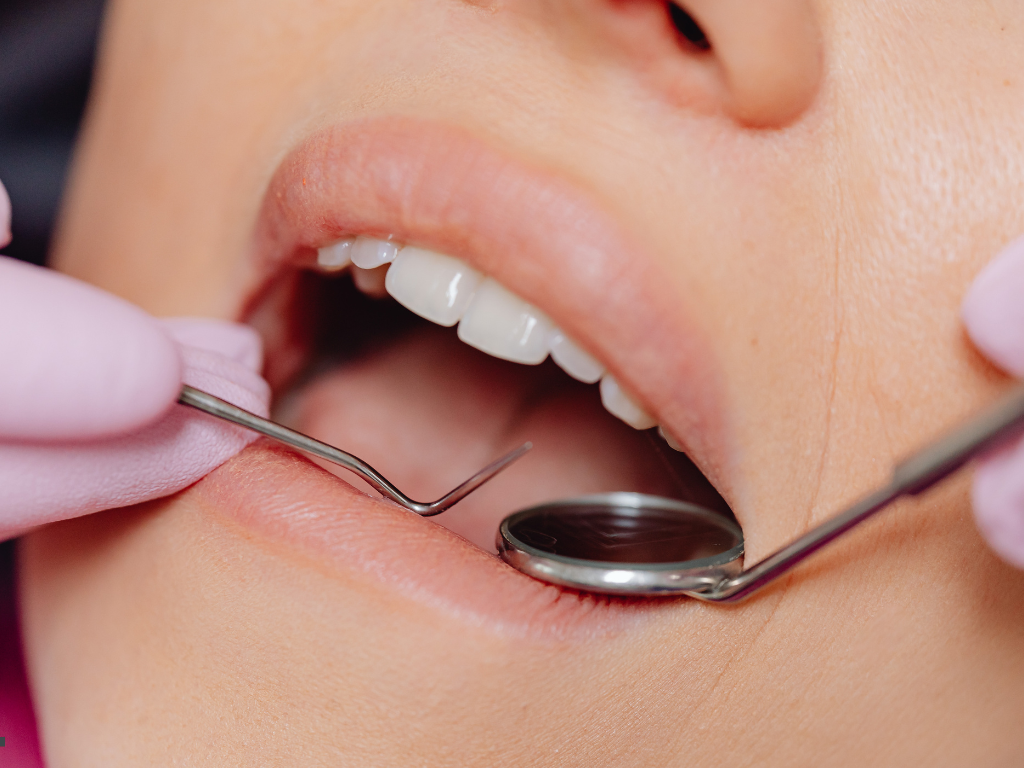
Prompt assessment by a qualified dental professional determines the true depth of the fracture and protects your budget from escalating complications. When a chip occurs, what appears to be a superficial cosmetic blemish on the surface can sometimes conceal microscopic craze lines or dentinal exposure underneath. During an initial clinical exam in Hamilton, your dentist examines the tooth under magnification and takes targeted digital radiographs to confirm whether the inner dental pulp remains vital and undisturbed. Seeking assessment within twenty-four to forty-eight hours prevents bacterial infiltration into the inner pulp chamber, which effectively stops a simple, budget-friendly surface repair from escalating into an invasive, high-cost root canal therapy or emergency extraction.
Composite Resin Bonding as an Economical First-Line Restoration
Direct composite dental bonding represents the single most affordable, versatile, and non-invasive procedure for restoring a fractured front tooth. Using a biocompatible, high-grade resin that mimics natural dental enamel, your dentist sculpts the missing tooth structure directly onto the prepared surface. Because this technique requires minimal tooth reduction, healthy natural enamel is fully preserved. The composite resin is cured with a specialized ultraviolet light and polished to match the reflective sheen of surrounding teeth. For Hamilton families seeking immediate cosmetic rejuvenation without laboratory manufacturing fees, bonding offers exceptional value, repairing chips cleanly within an accessible price point.
Strategic Cost Comparisons: Bonding vs. Porcelain Veneers and Crowns
Evaluating restorative options against your long-term aesthetic expectations and financial boundaries allows you to make an empowered decision. While porcelain veneers and custom ceramic crowns offer unmatched stain resistance and exceptional strength, their fabrication requires off-site dental laboratory technicians, multiple clinical sittings, and significantly higher financial commitments. Composite bonding, on the other hand, delivers immediate aesthetic resolution at a fraction of the cost. Understanding this tiered spectrum enables patients to select composite bonding as a dependable initial solution or choose minimal-prep veneers when structural reinforcement demands higher mechanical resistance.
Protecting Exposed Dentin to Preempt High-Cost Interventions
Overlooking a minor chip to avoid dental fees frequently proves far more costly over time. Enamel is the hardest biological substance in the human body, serving as an impermeable barrier against acidic food, thermal changes, and aggressive oral bacteria. Once a chip shears off this protective outer shell, the softer dentin layer is exposed to the oral cavity. Dentin contains thousands of microscopic tubules that communicate directly with the dental nerve. Leaving this layer unsealed invites rapid bacterial colonization, which can quickly trigger pulpitis, dental abscesses, and deep infections. Timely restorative sealing acts as preventative medicine, saving Hamilton patients from extensive multi-stage procedures.
Utilizing Dental Benefits, HSA/FSA, and Phased Treatment Financing
Navigating modern dental insurance and private healthcare spending accounts makes restorative dental care significantly more affordable. Most standard employer-sponsored Canadian dental plans recognize chipped tooth repairs as restorative rather than purely cosmetic, particularly when functional chewing margins or structural enamel walls are involved. This distinction often unlocks meaningful policy coverage. Furthermore, patients can deploy Health Spending Accounts (HSAs) to absorb copayments or utilize structured in-clinic financing arrangements. Local dental teams assist by submitting direct predeterminations, ensuring Hamilton patients know their exact coverage before treatment begins.
Time Savings and Cost Efficiency of Single-Visit Restorations
The financial efficiency of a dental procedure is closely tied to chairside time and workflow speed. Traditional multi-step indirect restorations require impression taking, temporary restorations, laboratory turnaround periods, and a second visit for final cementation. By contrast, direct composite bonding is completed entirely in a single appointment, typically taking less than an hour per tooth. For busy Hamilton professionals, shift workers, and parents, single-visit treatments eliminate the need for time away from work, multiple commutes, and the recurring fees associated with replacement temporary prosthetics.
Precision Colour Matching and Aesthetic Blending
Lower cost never has to mean an obvious or artificial result. Modern restorative composites feature sophisticated optical properties, including varying levels of translucency, opacity, and opalescence that closely replicate the polychromatic nature of human teeth. During the bonding procedure, the dentist layers different shades to capture the unique nuances, mamelons, and subtle hues of your neighbouring teeth. The composite is carefully feathered along the fracture line so the margin between natural tooth structure and restorative resin becomes completely invisible to the naked eye.
Identifying and Correcting Underlying Bite Dynamics and Bruxism
A chip rarely occurs entirely by chance; in many instances, nighttime teeth grinding (bruxism) or minor bite misalignments weaken the tooth beforehand. If you repair a fractured incisal edge without addressing abnormal occlusal forces, the new restoration remains at high risk of chipping off again. A comprehensive dental checkup evaluates how your upper and lower teeth meet during chewing. Recommending a custom-fitted nightguard cushions anterior teeth from immense clenching forces, protecting your restorative investment and avoiding repetitive replacement costs.
Long-Term Maintenance and Practical Aftercare for Bound Teeth
Maximizing the longevity of your repair ensures your investment yields returns for years to come. Composite restorations generally perform reliably for five to seven years or longer when supported by meticulous oral hygiene and mindful lifestyle habits. Because resin can pick up pigments more readily than natural enamel, rinsing with water after drinking black coffee, tea, or red wine helps prevent edge discolouration. Avoiding non-food chewing habits—such as biting fingernails, tearing plastic packaging, or chewing ice cubes—maintains the structural integrity of the bonded edge.
Choosing an Experienced Hamilton Dentist Focused on Conservative Care
The skill, artistic hand, and clinical philosophy of your dental provider determine the ultimate success, durability, and cost of your restoration. An experienced clinician committed to conservative dentistry will consistently choose enamel-preserving techniques before recommending invasive, costly crown preparations. By selecting a local dental practice on Nebo Road equipped with modern curing technologies and composite materials, Hamilton patients receive predictable, artistic restorations tailored to their unique dental anatomy and financial comfort level.
Conclusion
Chipping an anterior tooth is an unsettling experience, but restoring your smile does not require complex surgery or financial strain. Thanks to developments in high-performance composite resin materials, direct bonding provides an accessible, durable, and natural-looking solution that can be completed in a single dental appointment. Addressing the damage promptly seals vulnerable tooth structures, prevents painful nerve inflammation, and spares you the expense of extensive restorative work in the future. With personalized clinical guidance and conservative treatment planning, you can restore your confidence and preserve your oral health affordably.
Restore Your Smile Today
Do not let a chipped front tooth disrupt your confidence or cause hidden tooth decay. Contact Nebo Dental Centre in Hamilton for prompt, compassionate, and cost-effective restorative dental care tailored to your budget.
Name: Nebo Dental Centre
Address: 260 Nebo Road, Hamilton, ON L8W 3K5
Phone: 905.381.9802
Email: [email protected]
Website: https://nebodentalcentre.com/
FAQs
-
A1: The majority of chipped front tooth repairs, especially composite bonding, are entirely painless and often require no local anaesthetic if the fracture is restricted to the outer enamel. If the break extends closer to the inner dentin, a mild local numbing agent ensures complete comfort throughout the procedure.