Premise
Dental emergencies strike without warning, turning a normal day in Hamilton into a stressful race for relief. Whether you have bitten down on a hard object or suffered an unexpected impact, a chipped or broken tooth requires immediate attention to prevent severe pain, bacterial infection, and soft tissue lacerations. A rapid emergency filling can salvage your compromised tooth structure, protect its vulnerable internal layers, and instantly stop the agonizing irritation caused by jagged edges, restoring both your comfort and your smile.
Introduction
It usually happens when you least expect it: you are enjoying a meal in downtown Hamilton, playing a pickup game of hockey, or simply going about your daily routine when a sudden, sickening crack changes everything. A broken or chipped tooth is one of the most common and distressing dental emergencies a person can experience. Beyond the immediate shock and aesthetic concern of a damaged smile, a broken tooth introduces a host of pressing physical problems. The jagged, sharp edge of the fractured enamel acts like a tiny blade in your mouth, instantly irritating your tongue, cheeks, and lips.
Furthermore, if the break extends beyond the hard outer enamel layer, the sensitive inner layers of the tooth—the dentin and the pulp—become exposed to the harsh environment of your mouth. This exposure invariably leads to excruciating sensitivity to hot and cold temperatures, and more alarmingly, creates an open pathway for oral bacteria to invade and cause a severe, deep-rooted infection. In these critical moments, a rapid emergency dental filling or restoration is not just a cosmetic fix; it is a vital, urgent medical intervention. By seeking prompt emergency dental care in Hamilton, you can salvage the compromised tooth structure, prevent the need for more invasive and expensive procedures like root canals or extractions, and immediately eliminate the debilitating pain and sharp-edge irritation that disrupt your daily life.
1. The Immediate Danger of Sharp Edges and Soft Tissue Lacerations
When a tooth fractures, it rarely breaks in a smooth, even line. Instead, it leaves behind jagged, razor-sharp edges of enamel that pose an immediate threat to the soft tissues of your mouth. Every time you speak, swallow, or chew, your tongue and the delicate lining of your cheeks brush against this broken, abrasive surface. Within hours, this constant friction can cause painful lacerations, swelling, and even bleeding ulcers inside your mouth. An emergency dental filling provides instant relief by completely smoothing out these hazardous edges and capping the fracture with a protective layer of dental resin. By addressing this at a Hamilton dental centre right away, you eliminate the severe, distracting irritation and protect your oral soft tissues from further unnecessary trauma.
2. Halting the Progression of Cracks and Fractures
A chipped tooth is fundamentally and structurally compromised from the moment the trauma occurs. What might appear as a minor, superficial missing piece of enamel can actually be accompanied by microscopic stress fractures that extend much deeper into the tooth’s core. Every time you bite down, the immense mechanical pressure generated by your jaw muscles threatens to widen these micro-fractures, potentially splitting the tooth completely down to the root. A rapid emergency restoration acts as a vital structural reinforcement. By meticulously applying and curing a durable filling material, your emergency dentist effectively binds the remaining tooth structure back together. This swift intervention stabilizes the tooth, redistributes biting forces evenly across the surface, and stops a moderate chip from evolving into a catastrophic fracture.
3. Sealing the Tooth Against Bacterial Invasion and Decay
The outer layer of your tooth, the enamel, acts as a primary defence fortress against the millions of bacteria that naturally reside in your mouth. When a chip or break breaches this highly calcified wall, the softer, porous layer beneath—known as the dentin—is left entirely exposed. Dentin contains microscopic tubules that lead directly to the tooth’s inner pulp chamber, where the sensitive nerves and blood vessels are located. If left unprotected, harmful bacteria will rapidly infiltrate these tubules, leading to deep decay and painful pulp infections. An emergency filling aggressively counters this threat by hermetically sealing the exposed dentin. This vital barrier stops bacterial invasion in its tracks, preserving the health of the tooth’s vital core and saving you from a highly painful dental abscess.
4. Alleviating Severe Hot and Cold Sensitivity
One of the most shocking and immediate symptoms of a broken tooth is a sharp, shooting pain when it is exposed to extreme temperatures. Because the thick, protective enamel has been stripped away, drinking a hot cup of coffee on a chilly Hamilton morning or taking a sip of ice water can send agonizing jolts of pain directly through your jaw. This intense hypersensitivity occurs because the nerve endings within the dentin are no longer insulated from the outside environment. An emergency dental filling restores this lost insulation perfectly. The composite resin materials used in these rapid restorations have excellent thermal properties that mimic natural enamel, effectively shielding the underlying nerves from temperature fluctuations and allowing you to eat and drink comfortably once again.
5. The Emergency Dental Assessment Process in Hamilton
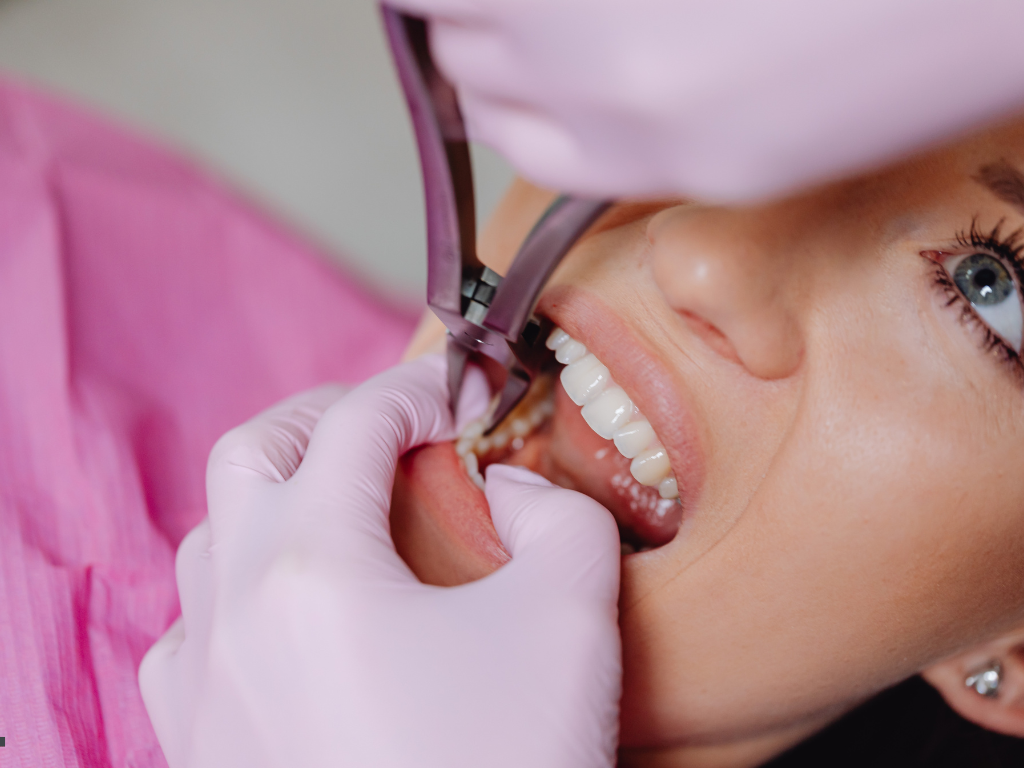
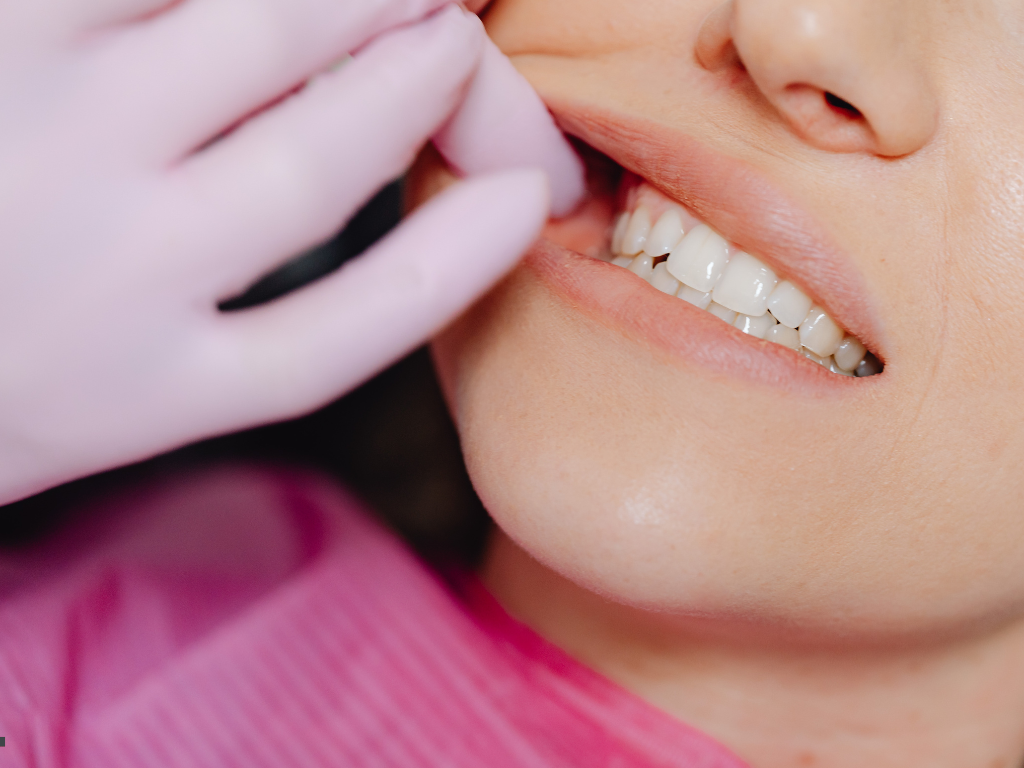
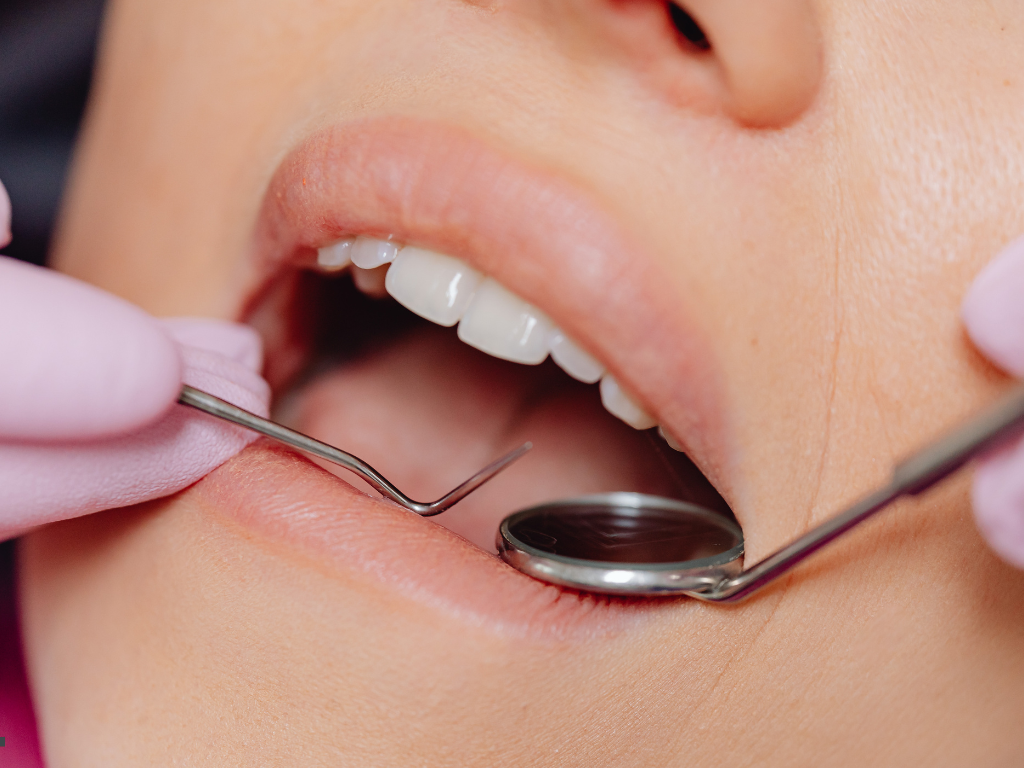
When you rush to an emergency dental clinic in Hamilton, the immediate priority of the clinical team is to accurately and quickly diagnose the extent of the trauma. The process begins with a comprehensive, yet highly efficient, visual examination to assess the visible structural damage and check for any associated soft tissue injuries. Crucially, this is always followed by digital X-rays to look beneath the gumline and surface enamel. X-rays are an essential diagnostic tool because they reveal whether the fracture has reached the tooth’s internal nerve or if the underlying jawbone has sustained damage. This thorough assessment ensures that the emergency filling is placed on a healthy, viable foundation, and allows the dentist to tailor a specific restoration plan for your unique injury.
6. The Role of Composite Resin in Fast, Aesthetic Repairs
In the realm of modern emergency dentistry, composite resin is the undisputed champion for repairing chipped and broken teeth swiftly and beautifully. Unlike the older, highly visible silver amalgam fillings of the past, composite resin is an incredibly versatile material that can be precisely colour-matched to the exact shade, translucency, and texture of your natural teeth. This means that an emergency repair on a highly visible front incisor will be virtually undetectable to the naked eye. The resin is carefully applied in thin layers, artistically sculpted to recreate the natural contour of the missing tooth structure, and then instantly hardened using a specialized ultraviolet curing light. This process chemically fuses the resin to the enamel, ensuring a durable repair in just one visit.
7. Temporary vs. Permanent Emergency Fillings
Depending on the severity of the tooth break, the presence of active infection, and the time available during your urgent visit, your Hamilton emergency dentist may opt for either a temporary or a permanent filling. If the dental trauma is particularly severe, or if the tooth nerve is highly inflamed and requires a calming period before a definitive restoration like a custom crown can be placed, a temporary filling is an excellent, strategic stopgap. Temporary fillings use specialized, medicated materials that soothe the irritated nerve and seal the tooth quickly. Conversely, if the chip is straightforward and the tooth is otherwise healthy, the dentist will place a permanent composite filling right then and there, resolving the issue entirely in a single appointment.
8. Financial and Health Benefits of Acting Quickly
Ignoring a broken tooth simply because it “does not hurt that much right now” is a dangerous healthcare gamble that invariably leads to much more extensive and expensive treatments down the road. A minor chip that could be easily resolved with a simple, cost-effective emergency filling today can rapidly deteriorate into a severe, deep-rooted infection requiring complex root canal therapy or a pricey, custom-milled dental crown tomorrow. In the worst-case scenarios, delaying treatment results in the complete, unsalvageable loss of the tooth and the subsequent need for a high-cost dental implant or bridge. By seeking immediate emergency dental care in Hamilton, you make a financially prudent decision that halts the progression of damage and minimizes both your out-of-pocket expenses and clinical chair time.
9. Post-Procedure Care for Your Restored Tooth
Once your emergency filling is perfectly sculpted and cured, the sharp-edge irritation will be completely gone, but proper aftercare remains essential to ensure the longevity of the restoration. In the first few days following the procedure, it is highly advisable to stick to a softer diet, consciously avoiding incredibly hard, crunchy, or sticky foods—like hard candies, ice cubes, or tough meats—that could potentially compromise the new bonding. Your Hamilton dentist will also recommend maintaining a rigorous daily oral hygiene routine, which includes brushing gently around the restored area with a soft-bristled toothbrush and a non-abrasive toothpaste. Flossing remains absolutely critical to prevent plaque buildup at the delicate margins of the filling, ensuring your restoration lasts for years.
10. Navigating Emergency Dental Care in Hamilton
Finding reliable, urgent dental care during a sudden crisis can be a daunting task, especially when you are distracted by pain and anxiety. While Hamilton boasts a very strong overall healthcare infrastructure, it is vital to know exactly where to turn before an emergency strikes. A dedicated emergency dental centre truly understands that traumatic tooth fractures do not adhere to standard, nine-to-five business hours. They prioritize rapid response times, offering highly flexible scheduling and specialized diagnostic equipment to handle urgent trauma efficiently. When choosing a provider in the Hamilton area, look for a practice that emphasizes patient comfort, utilizes modern restoration techniques, and provides the clear, compassionate communication needed to turn a highly stressful ordeal into a positive, comfortable recovery experience.
Conclusion
A chipped or broken tooth is a highly disruptive event that requires immediate, professional attention. The sharp, jagged edges can wreak havoc on the soft tissues of your mouth, while the exposed inner layers of the tooth leave you vulnerable to agonizing pain and serious bacterial infections. As discussed, relying on a rapid emergency filling is the most effective way to salvage your natural tooth structure, instantly halt sharp-edge irritation, and restore the protective barriers of your enamel. By understanding the immediate risks and recognizing the immense structural and financial benefits of acting quickly, you can protect your smile for the long term. If you find yourself facing a dental crisis in the Hamilton area, do not wait for the situation to worsen. Immediate intervention is the key to a fast, painless, and aesthetically perfect recovery.
Name: Nebo Dental Centre
Address: 260 Nebo Road, Hamilton, ON L8W 3K5
Phone: 905.381.9802
Email: [email protected]
Website: https://nebodentalcentre.com/
Conveniently located at 260 Nebo Road, Hamilton, ON L8W 3K5 — We proudly accept the Canada Dental Care Plan (CDCP) and offer direct billing.
Don’t let a broken tooth break your stride—fast, compassionate emergency dental care in Hamilton is just a call away.
FAQs
-
A1: Not at all. An oral cancer screening is entirely non-invasive, completely painless, and takes only a few minutes during your routine cleaning and checkup. There are no needles or uncomfortable scraping sensations; it simply involves a gentle visual and tactile examination of your mouth, jaw, and neck tissues by our dental professionals. You can resume all normal activities immediately afterward.